Dog Dragging Butt: Causes and When to See Your Vet
Dog Dragging Butt: Causes and When to See Your Vet
If you have ever noticed your dog dragging their butt across the floor, you are not alone. "Dog dragging butt" is a common concern for pet owners in Cumming and surrounding communities. While this behavior might seem amusing at first, it is often a sign that your dog is experiencing discomfort or irritation. At Express Vets Cumming, our veterinary team frequently addresses questions about scooting and rear-end issues. In this article, we will explore why dogs scoot, the most common causes behind this behavior, when you should be concerned, and how our team at 5485 Bethelview Rd. Suite 440, Cumming, GA 30040 can help get your dog comfortable again. You will also find helpful local resources, such as our parasite prevention and control services, that support your dog’s ongoing health and well-being.
Recognizing When Your Dog Is Dragging Their Butt
It is easy to spot a dog scooting their rear along the carpet or grass, but not all cases of "dog dragging butt" are the same. Sometimes, this behavior is brief and resolves on its own, but repeated episodes often signal an underlying problem. Key symptoms include frequent scooting, excessive licking or chewing at the hind end, a foul odor, swelling or redness around the anus, and signs of discomfort when sitting or defecating. Additionally, you may notice changes in your dog's stool or straining during bowel movements. If your dog is persistently dragging their butt, it is important to pay attention to these accompanying signs as they can provide clues to the underlying cause.
Why Is My Dog Dragging Their Butt? Common Causes Explained
There are several reasons why you might see your dog dragging their butt, and some are more serious than others. Understanding the possible causes can help you know when to seek veterinary care for your dog in Cumming.
Anal Gland Problems
One of the most common reasons for a dog dragging their butt is discomfort caused by the anal glands. These small glands, located on either side of your dog’s rectum, naturally express a scent when your dog defecates. However, if the glands become impacted, infected, or abscessed, your dog may scoot to relieve pressure or irritation. Signs of anal gland issues include a strong fishy odor, swelling near the anus, or visible pain during bowel movements. Anal gland problems are particularly common in smaller breeds and dogs with chronic soft stool.
Intestinal Parasites
Parasites such as tapeworms, roundworms, or hookworms can lead to irritation around the rear end. Tapeworm segments may appear as small, rice-like pieces near your dog’s anus or in their bedding, causing itching and prompting scooting. Intestinal worms are more common in dogs who spend time outdoors or interact with other animals. Maintaining a consistent parasite prevention plan is essential for protecting your dog against these pests and the discomfort they can cause.
Allergies and Skin Irritation
Allergies—whether caused by food, fleas, or environmental factors—can lead to inflamed, itchy skin, including around the anus and hindquarters. When allergies are the culprit, you may also notice your dog scratching their ears, licking their paws, or developing skin rashes. If your dog’s scooting is accompanied by chronic itching or skin changes, consider talking to our team about allergy testing to identify and manage the source of your dog’s discomfort.
Rectal or Perianal Infections
Less frequently, infections or abscesses near the rectum can cause significant irritation, swelling, or even pain. Your dog may drag their butt as a way to relieve discomfort, but these infections often require medical treatment to resolve fully.
Other Causes
Occasionally, scooting can be related to issues such as foreign material stuck in the fur, minor injuries, or even tumors near the anus. If you are unsure what is causing your dog to drag their butt, a thorough wellness examination can help determine the exact source.
How Veterinary Professionals Diagnose and Treat Scooting in Dogs
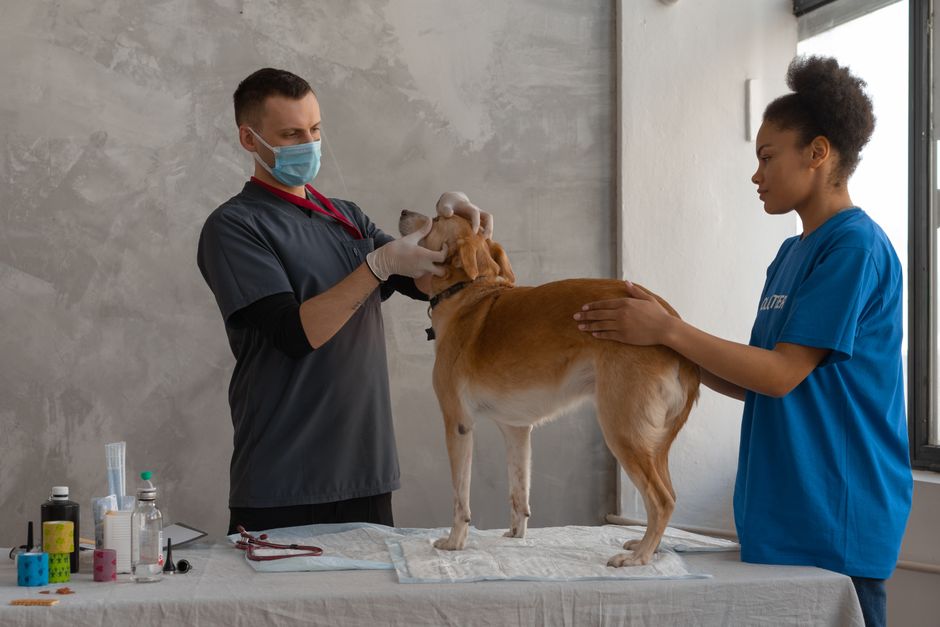
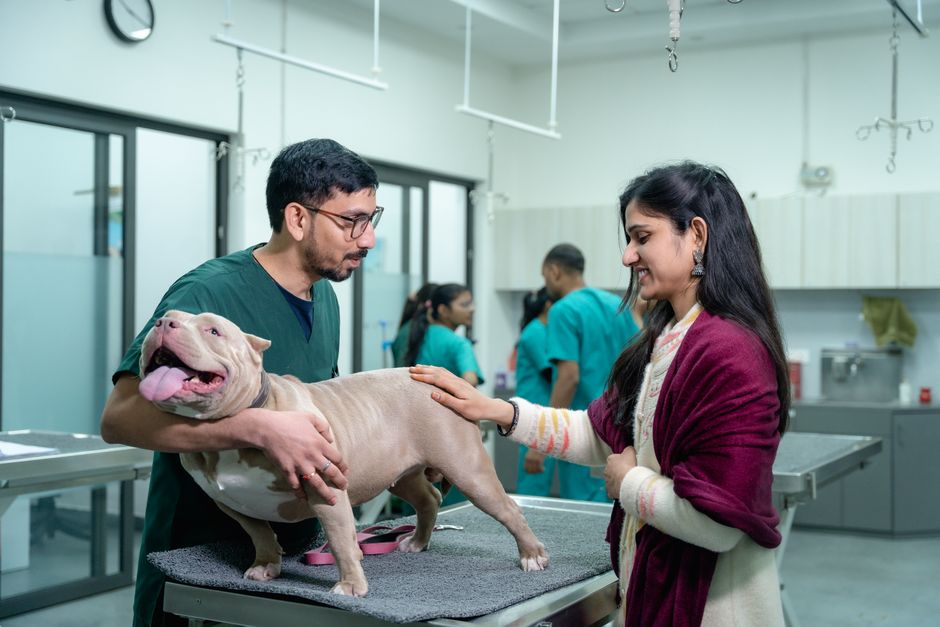
When you bring your dog to Express Vets Cumming for scooting or "dog dragging butt," our veterinarians will start with a complete history and physical examination. This process includes observing your dog's behavior, examining the anal area, and checking for signs of swelling, discharge, or parasites. In some cases, additional diagnostics such as fecal testing for parasites or cytology of anal gland secretions may be recommended.
Treatment approaches depend on the root cause. For anal gland issues, your veterinarian may manually express the glands or treat infections with medication. If parasites are detected, appropriate deworming medication will be prescribed. For dogs with allergies or skin problems, our dermatology services can help identify triggers and provide relief through tailored treatment plans. Addressing infections or injuries may involve antibiotics or minor surgical procedures in more severe cases. Throughout the process, our goal is to provide immediate relief for your dog and prevent future episodes of discomfort.
Home Care and Prevention: Keeping Your Dog Comfortable
While not all cases of scooting can be prevented, there are effective steps you can take at home to reduce the risk of your dog dragging butt. Maintaining a healthy diet that produces firm, regular stools helps the anal glands express naturally. Keeping your dog on a consistent parasite prevention regimen is crucial, especially in the warm, humid climate typical of Cumming and North Georgia, where parasite risks tend to be higher year-round. Regular grooming and checking your dog’s rear for mats or debris will also help prevent irritation. If your dog has known food or environmental allergies, working with your veterinarian to identify and avoid triggers can greatly reduce itching and rear-end discomfort. Routine wellness exams are the best way to catch potential problems early, before they cause significant discomfort or health issues.
When to See Your Veterinarian for Dog Dragging Butt
While occasional scooting is not always a cause for alarm, there are certain situations where professional help is needed. You should schedule an appointment if your dog is scooting persistently, if you see signs of pain, swelling, or bleeding, or if there is a strong odor coming from your dog’s hind end. Additional warning signs include changes in appetite, lethargy, vomiting, diarrhea, or visible worms in the stool. Dogs with chronic skin issues, recurrent anal gland problems, or allergies may benefit from a comprehensive evaluation to address underlying causes.
When in doubt, it is always better to err on the side of caution. Our veterinary team is here to help you determine the cause and provide the most effective treatment for your dog’s specific needs. Addressing these issues promptly not only resolves discomfort but also prevents more serious health problems from developing down the road.
Compassionate Care for Dogs Scooting in Cumming
At Express Vets Cumming, we understand that seeing your dog dragging their butt can be concerning and sometimes embarrassing. Our compassionate team of veterinarians is committed to providing gentle, thorough care that gets to the root of your dog’s discomfort. Located at 5485 Bethelview Rd. Suite 440, Cumming, GA 30040, we proudly serve pet owners in Cumming and the surrounding communities. If your dog is scooting or showing signs of irritation, do not wait for the problem to get worse. Schedule a visit with our veterinary team by calling (470) 239-7672 or reach out through our website.
For those searching for a "vet near me" who can address dog dragging butt and related issues, Express Vets Cumming is your trusted local resource. We invite you to learn more about our sick visit services or ask about our preventive care programs designed to keep your dog healthy and happy year-round.
If you have concerns about your dog’s scooting, or if you notice any of the signs discussed above, contact Express Vets Cumming today. Your dog’s comfort and well-being are always our top priority.