October Allergy Triggers for Cumming Dogs and Cats
October Allergy Triggers for Cumming Dogs and Cats
Is your dog or cat suddenly sneezing, scratching, or licking more than usual this October? You are not alone—many pet owners in Cumming and surrounding communities notice a marked increase in allergy symptoms as the seasons change. At Express Vets Cumming, we understand how frustrating it can be to see your beloved companion uncomfortable or irritable, especially when fall allergies are making daily life more challenging. This blog will guide you through the most common October allergy triggers for local dogs and cats, how to spot the signs of seasonal allergies, and when to seek professional care from our experienced veterinary team at 5485 Bethelview Rd. Suite 440, Cumming, GA 30040. We will also share prevention strategies and explain the treatment options available right here at Express Vets Cumming, so your pet can enjoy a comfortable, healthy autumn.
Recognizing Allergy Symptoms in Your Pet
Understanding when your dog or cat might be struggling with fall allergies is the first step toward relief. Allergy symptoms in pets often overlap with other health issues, so it is important to monitor for changes in behavior or appearance. Common signs that your pet may be reacting to October allergens include frequent scratching, licking, or chewing at the paws and belly; red, irritated skin; watery eyes; sneezing; and increased shedding or hair loss. In some cases, you may notice recurrent ear infections, head shaking, or an unpleasant odor from the skin. Dogs and cats may also seem restless or less interested in play due to discomfort. These symptoms often worsen after time spent outdoors or during dry, windy days when pollen and mold spores are airborne.
If your pet is showing one or more of these signs, it may be time to consider an allergy testing service or a professional evaluation to determine the underlying cause and rule out other conditions such as parasites or skin infections.
What Causes October Allergies in Cumming Dogs and Cats?
Cumming’s climate in October brings about several environmental changes that can trigger allergic reactions in pets. The most common culprits are fall pollens, mold spores, and household allergens that increase as temperatures cool and humidity fluctuates. Ragweed is a significant source of pollen during autumn in Georgia, peaking from late September through October. Dogs and cats that enjoy spending time in the yard or on walks may come into contact with these pollens, either through inhalation or by collecting particles on their coat and paws.
Another major trigger is mold, which thrives in piles of fallen leaves, damp grass, and shaded outdoor areas common during the fall. As leaves accumulate and decay, mold spores are released into the air and can settle on your pet’s skin and fur. Indoor allergens also tend to rise during this season, as windows close and heating systems start up, circulating dust mites and other irritants.
Certain pets have a genetic predisposition to allergies, meaning breeds such as retrievers, terriers, or Siamese cats may be more likely to develop symptoms. Age, overall health, and a history of allergies can also influence how severely your pet reacts to these environmental triggers.
Treatment and Management Options at Express Vets Cumming
When your pet’s allergy symptoms persist or worsen, it is important to seek veterinary guidance for lasting relief. At Express Vets Cumming, our team provides a thorough approach to diagnosing and managing allergies in dogs and cats.
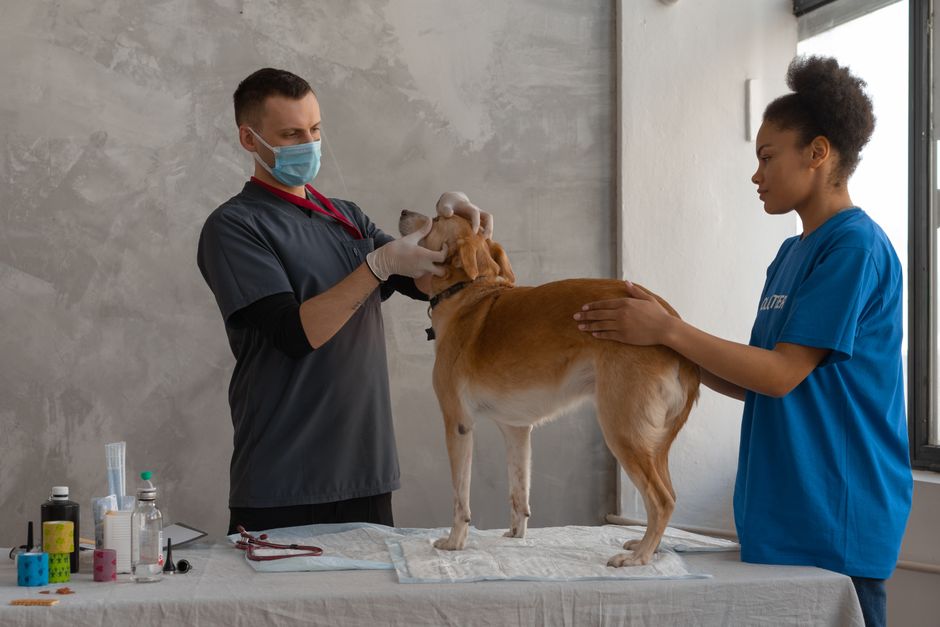
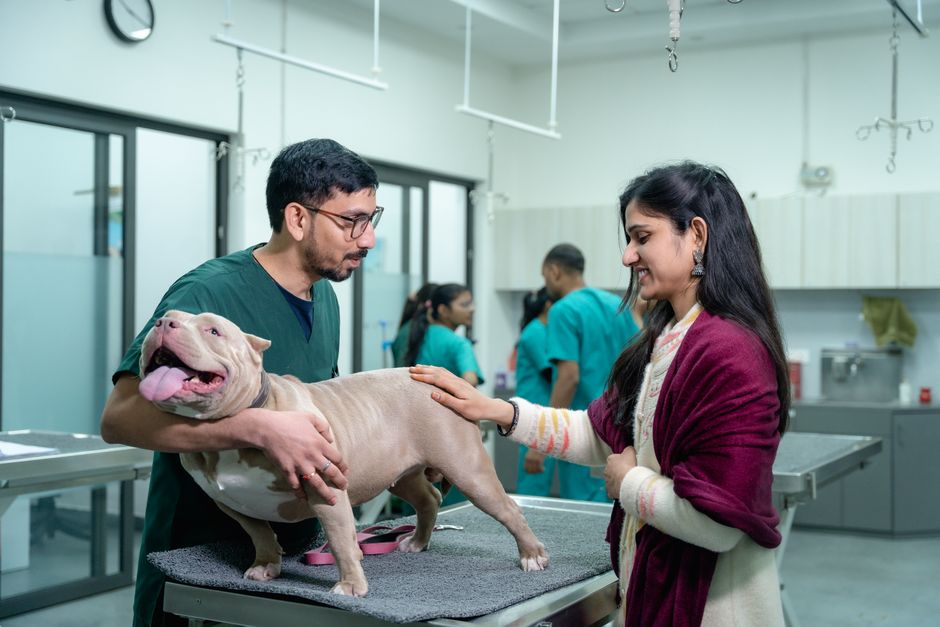
A comprehensive evaluation often begins with a detailed medical history and physical examination. Our veterinarians may recommend allergy testing to pinpoint specific triggers or dermatology services to address skin conditions related to allergies. In many cases, we will perform diagnostic tests to rule out other causes of itching or skin problems, such as fleas or underlying infections.
Treatment options are tailored to each pet’s needs and may include prescription antihistamines, anti-itch medications, medicated shampoos, or topical therapies to soothe irritated skin. For pets with more severe or chronic allergies, immunotherapy—often referred to as allergy shots or drops—may be suggested to help the immune system build tolerance to specific allergens over time. Our veterinary team will also provide guidance on environmental management strategies to reduce your pet’s exposure to triggers both indoors and out.
Home Care and Prevention Strategies for Fall Allergies
While veterinary care is essential for persistent or severe allergies, there are steps you can take at home to help minimize your pet’s discomfort during October. Regular bathing with a gentle, pet-safe shampoo helps remove pollen, mold, and dust from your pet’s coat and skin. Wiping your dog’s paws and belly after walks or outdoor play can further limit allergen exposure, especially on high-pollen days.
Keeping your home clean is another key step. Vacuuming carpets, washing pet bedding frequently, and using air purifiers can help control indoor allergens. Try to keep windows closed on windy days and avoid walking your dog in areas with heavy foliage or decaying leaves. If you notice your cat or dog spending time in damp, shady spots in the yard, encourage them to play in sunnier, drier areas instead.
Diet and overall health also play a role; a balanced diet rich in omega-3 fatty acids can support skin health and reduce inflammation. Our veterinary team is happy to discuss dietary recommendations or specialty diets if your pet has ongoing skin or allergy concerns.
When to Visit the Vet for Allergy Symptoms
It is not uncommon for pet owners to wonder when professional care becomes necessary for allergy symptoms. If your dog or cat’s scratching, licking, or sneezing is frequent, severe, or accompanied by open sores, hair loss, ear infections, or a change in behavior, it is time to schedule an appointment. Persistent symptoms that do not improve with basic home care, such as frequent bathing or environmental management, should also prompt a veterinary evaluation.
In some cases, allergies can lead to secondary skin infections or chronic discomfort that requires prescription medication or advanced treatment. Our sick pet visits and wellness examinations allow us to assess your pet’s condition and develop a targeted care plan. Early intervention can prevent more serious complications and help your pet return to their happy, healthy self.
For owners searching for a "vet near me" who understands the unique challenges of seasonal allergies in Cumming, our compassionate team at Express Vets Cumming is ready to help.
Supporting Your Pet’s Comfort This Fall
October allergies can put a damper on autumn fun for both pets and their owners. By staying alert to allergy symptoms, understanding local triggers, and working closely with your veterinary team, you can help your dog or cat enjoy the season with fewer interruptions. Express Vets Cumming is dedicated to making allergy season easier for your companion, whether they are experiencing mild symptoms or need more advanced care.
If you are concerned about your pet’s allergy symptoms or want to discuss prevention strategies, we invite you to schedule an appointment with our experienced veterinarians. You can reach us at (470) 239-7672 or visit our clinic at 5485 Bethelview Rd. Suite 440, Cumming, GA 30040. Our team is here to provide allergy testing, dermatology services, and the full spectrum of preventive and sick care your pet deserves.
Help your pet breeze through October with comfort and confidence—contact Express Vets Cumming today and let us be your trusted partner in year-round pet health.