Why Is My Dog Dragging Their Butt?
Why Is My Dog Dragging Their Butt? Understanding Scooting and How to Help
If you’ve recently noticed your dog dragging their butt across the carpet, tile, or even your favorite rug, you’re not alone. The sight can be equal parts amusing and concerning—especially if it keeps happening. Many pet owners in Cumming and surrounding communities find themselves searching for answers about this quirky behavior and wondering if it’s a sign of something serious. At Express Vets Cumming, our team understands how alarming it can be to spot your dog scooting, and we’re here to help you get to the bottom of it. In this blog, we’ll explore why a dog dragging butt is more than just an odd habit, cover the most common causes like anal gland issues, parasites, and allergies, and discuss what you can do at home and when to seek veterinary care. If your dog has started scooting more often, or if you’re simply hoping to keep them comfortable and healthy this summer, read on for practical advice from our veterinary team right here at 5485 Bethelview Rd. Suite 440, Cumming, GA 30040.
Recognizing When Scooting Is a Problem
The occasional butt-drag across the floor might seem like a harmless bit of doggy humor, but repeated instances can signal an underlying issue. Key signs to watch for include frequent scooting, licking or biting at the rear, a strong or unusual odor around your dog’s tail, visible swelling or redness near the anus, and changes in your dog’s behavior such as restlessness, whimpering, or reluctance to sit. Sometimes you might notice small spots or smears on your floors or dog bed, which can indicate discharge from irritated anal glands or other problems.
It’s important to pay attention to patterns. If your dog drags their butt just once after a trip outside, it may be a simple itch. However, if you’re noticing this behavior repeatedly, or if it’s accompanied by other symptoms like scooting after every potty break, visible discomfort, or changes in appetite or bathroom habits, it’s time to dig a little deeper.
Why Is My Dog Dragging Their Butt? Exploring Common Causes
Understanding the reasons behind a dog dragging butt can help you address the root cause quickly. The most common culprits include anal gland issues, intestinal parasites, allergies, skin infections, or even foreign material stuck in the fur.
Anal Gland Issues
Anal glands are small sacs located on either side of your dog’s anus. These glands naturally empty when your dog defecates, releasing a scent unique to each dog. Sometimes, especially in small breeds or overweight dogs, these glands don’t empty properly. When this happens, fluid builds up, causing discomfort, swelling, and a strong fishy odor. Your dog may try to relieve the pressure by scooting across the ground.
If the glands become impacted or infected, you might also notice redness, swelling, or even pus. Left untreated, anal gland infections can lead to abscesses, which are very painful and may require surgical intervention. Regular checkups and prompt care can help prevent these complications.
Parasites
Intestinal parasites like tapeworms can cause severe irritation around your dog’s rear end. Tapeworm segments often look like small, white grains of rice and may be visible in your dog’s stool or near the anus. The presence of these segments can cause itching and prompt your dog to scoot in an effort to relieve the discomfort. Roundworms and hookworms can also cause general irritation, though they are less likely to cause scooting than tapeworms.
Routine parasite prevention and control is essential in the Cumming area, especially during the warmer months when transmission risks increase. Ensuring your dog is protected against common parasites reduces the risk of scooting related to these pests.
Allergies and Skin Irritation
Allergies are another frequent cause of a dog dragging butt. Dogs can develop allergies to food, environmental factors like pollen, or even fleas. The resulting inflammation and itchiness can affect the skin around the anus, prompting your dog to scoot. In some cases, skin infections or dermatitis in the area may add to your dog’s discomfort.
If you suspect allergies are at play, our veterinary team may recommend allergy testing or a dermatology evaluation to pinpoint the trigger and develop an effective treatment plan.
Foreign Objects and Matted Fur
Sometimes, the cause is as simple as something stuck in your dog’s fur after playing outside or a particularly messy bowel movement. Grass, dirt, or even matted hair can become trapped, irritating the sensitive skin and prompting scooting. Long-haired breeds are especially prone to matting near the tail, so regular grooming can help prevent issues.
Professional Treatment Options for Scooting and Anal Gland Problems
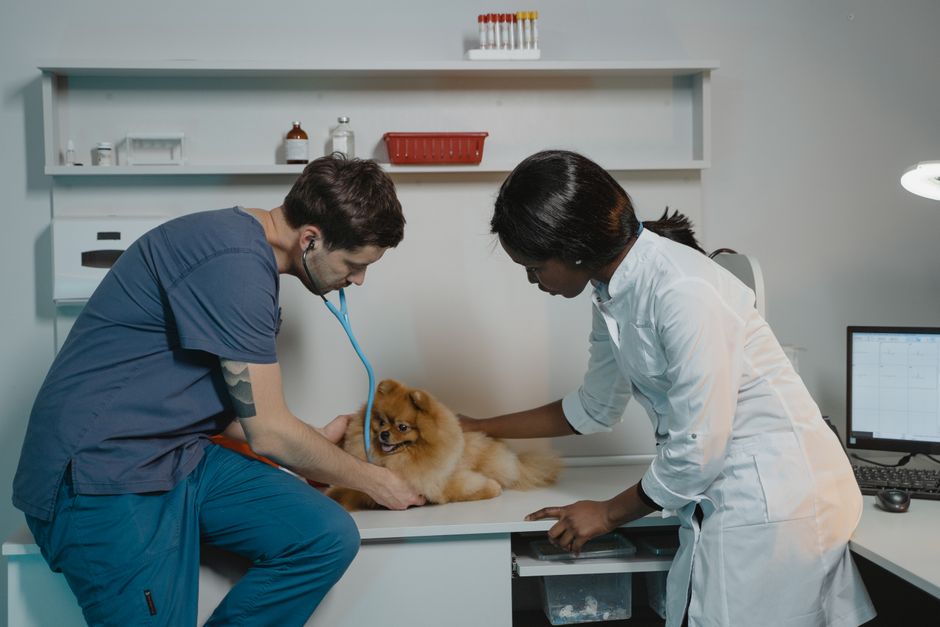
When you bring your dog to Express Vets Cumming for repeated scooting, our veterinary team will begin by performing a thorough wellness examination to identify the underlying cause. This typically involves a physical exam of the rear end, checking for swelling, redness, discharge, or foreign objects. If anal glands are full or impacted, your veterinarian may manually express them to provide relief.
For anal gland infections, treatment might include flushing the glands, administering antibiotics, or anti-inflammatory medications. In severe or chronic cases, further diagnostics or surgical options may be discussed. If parasites are found, a deworming protocol will be recommended, tailored to the specific type of parasite detected.
When allergies or skin conditions are suspected, our team may suggest diagnostic tests such as skin scrapings, cytology, or bloodwork, and provide customized treatment. This can involve antihistamines, special shampoos, dietary changes, or ongoing dermatology care to manage symptoms and improve your dog’s comfort.
Home Care and Prevention Tips for Pet Owners
While some causes of a dog dragging butt require veterinary care, there are steps you can take at home to reduce the risk and keep your dog comfortable. Regular grooming is vital, especially for long-haired breeds, to prevent matting and remove debris. Maintaining a healthy weight through proper nutrition and exercise helps avoid pressure on the anal glands, which can make them more likely to function normally.
Consistent parasite prevention is a cornerstone of canine health. Administer all recommended preventatives as directed by your veterinarian and keep your yard clean to minimize exposure to intestinal parasites. If your dog is prone to allergies, washing bedding frequently and wiping paws after outdoor play can help limit exposure to environmental allergens.
Pay attention to your dog’s bowel movements; firm, well-formed stools help express the anal glands naturally. If you notice changes in stool consistency, discuss dietary adjustments or specialty diets with your veterinary team. Never attempt to express your dog’s anal glands at home unless specifically instructed and trained by a veterinarian, as this can cause injury or infection.
When Should You Schedule a Veterinary Visit?
Not every instance of scooting needs urgent attention, but there are clear signs that it’s time to call your veterinarian. If your dog drags their butt more than once or twice in a short period, seems uncomfortable, develops redness, swelling, bleeding, or a foul odor near the tail, or if you spot worms or rice-like segments in the stool, prompt evaluation is recommended. Additional warning signs include loss of appetite, lethargy, vomiting, or diarrhea.
In Cumming and the surrounding area, our experienced veterinary team at Express Vets Cumming can help diagnose and treat the root cause quickly, ensuring your dog gets the relief they deserve. Scheduling an appointment promptly can prevent minor problems from turning into more serious health issues.
Supporting Your Dog’s Comfort and Health at Home
Caring for your dog’s rear end health might not be the most glamorous part of pet ownership, but it’s a critical component of their overall wellbeing. By staying attentive to changes in behavior, maintaining regular grooming, and following your veterinarian’s recommendations for parasite prevention and allergy management, you can help minimize the chances of seeing your dog dragging butt around the house.
If you have questions about your dog’s scooting, need advice on the right parasite prevention plan, or want to learn more about allergy management, our veterinary professionals are here to support you every step of the way.
Final Thoughts and Local Help for Dog Dragging Butt in Cumming
Watching your dog scoot or drag their bottom can be worrying, but you don’t have to navigate this issue alone. Express Vets Cumming provides compassionate, comprehensive care for all your dog’s health needs, including persistent scooting and the underlying causes. Whether your dog needs a routine checkup, allergy testing, or help with anal glands, our team is ready to help you find answers and keep your pet comfortable.
If you’re searching for a trusted "vet near me" for dog dragging butt issues in Cumming, look no further than our clinic. Schedule an appointment with our experienced veterinary team at 5485 Bethelview Rd. Suite 440, Cumming, GA 30040 or call us today at (470) 239-7672 for friendly, knowledgeable support. You can also explore our services for parasite prevention and control, allergy testing, or wellness examinations to keep your dog at their healthiest. We’re here to be your partner in pet care, every season of the year.
Disclaimer: The information in this blog is for educational purposes only and is not a substitute for professional veterinary advice. If you have concerns about your dog’s health or behavior, please consult your veterinarian for personalized recommendations.